
Damage Detection Beyond What Surfaces Reveal
Moisture & Environmental Mapping in Oceanside for water intrusion, fire residue, and concealed environmental damage
Water and fire events often leave damage that remains hidden behind walls, beneath flooring, and within ceiling cavities long after visible signs have been addressed. Lion Public Adjusting applies infrared thermography, moisture mapping, and soot mapping to detect residual moisture, thermal anomalies, and environmental contamination that standard visual inspections cannot identify. Property owners in Oceanside dealing with water losses, post-fire recovery, or suspected mold conditions use this service to document the full extent of damage before insurers finalize claim valuations.
Infrared cameras detect temperature differentials caused by moisture retention in wall cavities and insulation, while moisture meters measure saturation levels in wood framing, drywall, and subfloors to determine whether materials can dry in place or require removal. Soot mapping traces combustion residue patterns across surfaces to identify areas where fire gases penetrated porous materials, which matters because soot-affected drywall and insulation often require replacement even when they appear superficially intact. These readings create a data layer that shows where environmental damage exists independently of what can be seen during a walkthrough.
Arrange advanced damage detection services to document hidden moisture, thermal patterns, and environmental contamination that affect your claim scope.
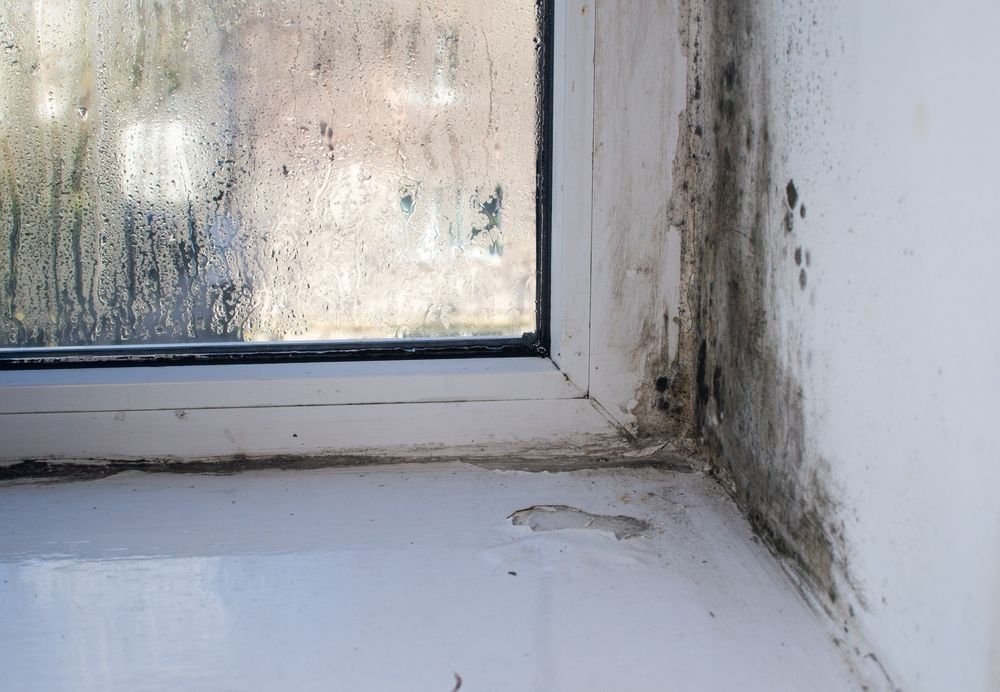
What Environmental Mapping Reveals After Loss Events
The mapping process generates thermal images and moisture distribution charts that show which building assemblies have been compromised by water intrusion or fire byproducts. Walls that appear dry to the touch may still contain elevated moisture levels within the stud cavities, and ceilings that show no visible staining may harbor saturated insulation that promotes mold growth if not removed. This data prevents the common scenario where insurers approve only visible damage repairs, leaving concealed contamination unaddressed until it becomes a larger problem months later.
After environmental mapping, you receive annotated floor plans and thermal imagery that mark each area where readings exceed normal thresholds, along with documentation explaining why those conditions require remediation rather than simple drying. The report distinguishes between surface moisture that will dissipate and embedded saturation that poses structural and health risks, which becomes critical when negotiating claims where insurers dispute the necessity of removing and replacing building materials. Properties affected by plumbing failures, roof leaks, or firefighting water application benefit from this level of detail, as these events introduce moisture into concealed spaces that remain problematic long after floors and walls are dried.
This service focuses on detection and documentation rather than remediation, providing the technical evidence needed to justify comprehensive mitigation scopes in your claim. The data supports conversations with both your insurance carrier and your remediation contractor, ensuring that work addresses actual conditions rather than assumptions based on limited moisture checks.
Common Questions About Environmental Damage Detection
Clients managing water and fire losses in Southern California often need clarity on how moisture and soot mapping integrates with the claims process.
What conditions does infrared thermography detect?
The technology identifies temperature variations caused by wet insulation, trapped moisture behind vapor barriers, and areas where evaporation is occurring unevenly, which indicates ongoing water retention that requires intervention beyond surface drying.
How does soot mapping differ from visible fire damage assessment?
Soot mapping traces combustion byproduct penetration into porous materials like drywall, insulation, and framing, revealing contamination that cannot be cleaned and must be removed to eliminate odor and potential health risks, even when surfaces appear only lightly affected.
Why is this service important for mold-related claims?
Mold growth requires sustained moisture, and environmental mapping documents the specific locations where water has penetrated building assemblies deeply enough to support microbial activity, providing evidence that justifies mold remediation costs in your claim rather than allowing insurers to attribute growth to maintenance issues.
Does Lion Public Adjusting provide moisture readings to remediation contractors?
Yes, the firm shares detailed moisture maps and thermal imaging reports directly with your mitigation team so that drying equipment placement and material removal decisions are based on measured data rather than visual estimates, reducing the likelihood of incomplete drying.
When should environmental mapping occur after a loss event?
Mapping should be completed as soon as initial water extraction or fire debris removal is finished and before reconstruction begins, ensuring that all affected materials are identified and documented while the claim is still active and settlement amounts are being determined.
Lion Public Adjusting offers environmental mapping designed to support claims where hidden damage determines the scope of necessary repairs. Contact the firm to schedule detection services that document conditions insurers cannot dispute.