
Damage That Extends Beyond the Burn Zone
Residential Fire & Smoke Damage Claims in Oceanside for properties with soot contamination and structural fire loss
Fire damage documentation begins the moment flames are extinguished, when soot particles settle into cracks, HVAC ducts, and wall cavities far from the visible burn area. Lion Public Adjusting handles residential fire and smoke damage claims in Oceanside and across Southern California, where wildfire smoke intrusion and localized residential fires create both obvious destruction and hidden contamination that insurers frequently undervalue. Proper fire and smoke mapping identifies every affected surface, not just charred studs and melted fixtures.
The service involves detailed fire and smoke mapping that traces particulate spread through ventilation systems and adjoining rooms, complete with photographic documentation and contamination testing where soot has migrated into insulation or beneath flooring. Policy interpretation clarifies what your coverage includes for both structural repairs and contents replacement, distinguishing between actual cash value and replacement cost treatments that directly affect your rebuild budget.
Request a detailed claim evaluation to document all fire-affected areas before your insurer's adjuster completes their initial assessment.
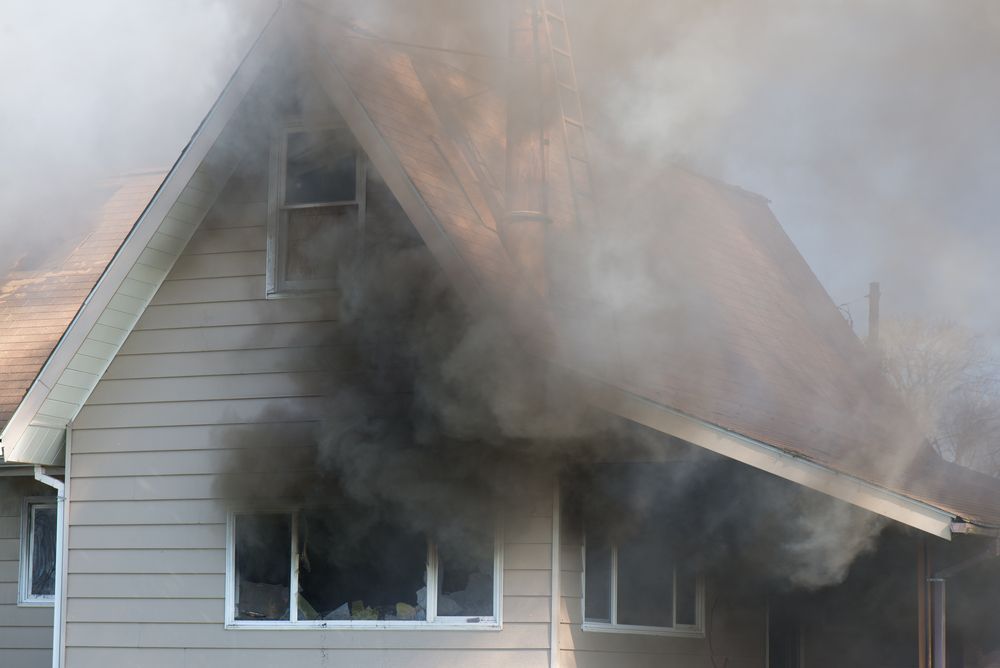
What Proper Fire Claim Documentation Captures
Fire and smoke mapping uses thermal imaging and air quality testing to locate heat damage within wall assemblies and trace smoke odor sources embedded in porous materials like drywall and insulation. The process separates salvageable materials from those requiring full replacement, establishing a line-item estimate that accounts for demolition, hazardous material removal, and reconstruction to current building code standards.
After documentation is complete, you receive a comprehensive estimate that itemizes every repair phase, from initial debris removal through final finish work. This level of detail prevents disputes over scope and ensures contractors bid on identical specifications, eliminating the confusion that often arises when insurers issue partial payments based on incomplete damage assessments.
The claim also factors in code upgrade requirements triggered by the fire, which many standard policies cover through ordinance or law endorsements but require specific documentation to activate. Identifying these provisions early prevents out-of-pocket costs during the permitting and rebuild phases.
Questions Homeowners Ask After Fire Damage
Fires create immediate concerns about what's covered and how to begin the claims process without jeopardizing your settlement.
What areas should be documented beyond the visible fire damage?
Smoke particulates travel through HVAC systems and settle in rooms with no direct flame contact, contaminating air ducts, carpet padding, and insulation that won't show charring but still require replacement to eliminate persistent odor and health risks.
How does fire and smoke mapping differ from a standard insurance adjuster's inspection?
Fire and smoke mapping uses specialized tools like borescopes and particle counters to detect contamination inside wall cavities and ductwork, capturing hidden damage that visual inspections miss and preventing future claims denials for issues not documented in the initial report.
When should I schedule a claim evaluation after a residential fire?
Claim evaluation should occur within 48 hours of fire suppression to document soot spread before cleaning efforts begin, preserving evidence of contamination extent that insurers use to determine coverage for contents, structural components, and temporary relocation costs.
Why do insurers sometimes reduce payouts on fire claims in Oceanside?
Insurers reduce payouts when damage documentation lacks detail on non-charred areas affected by smoke, heat, and water used during firefighting, particularly in coastal zones where humidity accelerates mold growth in saturated materials that weren't directly burned.
What happens if my contractor's estimate differs from the insurance company's appraisal?
Estimate discrepancies trigger a line-by-line reconciliation process where each material quantity, labor rate, and code requirement is compared, often revealing that insurer estimates omit demolition costs, waste removal, and permit fees that contractors include in their actual bid pricing.
Lion Public Adjusting coordinates directly with restoration contractors and your insurance carrier to ensure every damaged component is accounted for and properly valued. Schedule a fire damage claim evaluation to establish a complete record before reconstruction decisions are made.