
Moisture That Spreads Behind Finished Surfaces
Mold & Weather Damage Claims in Oceanside for properties with storm intrusion, roof leaks, and mold contamination
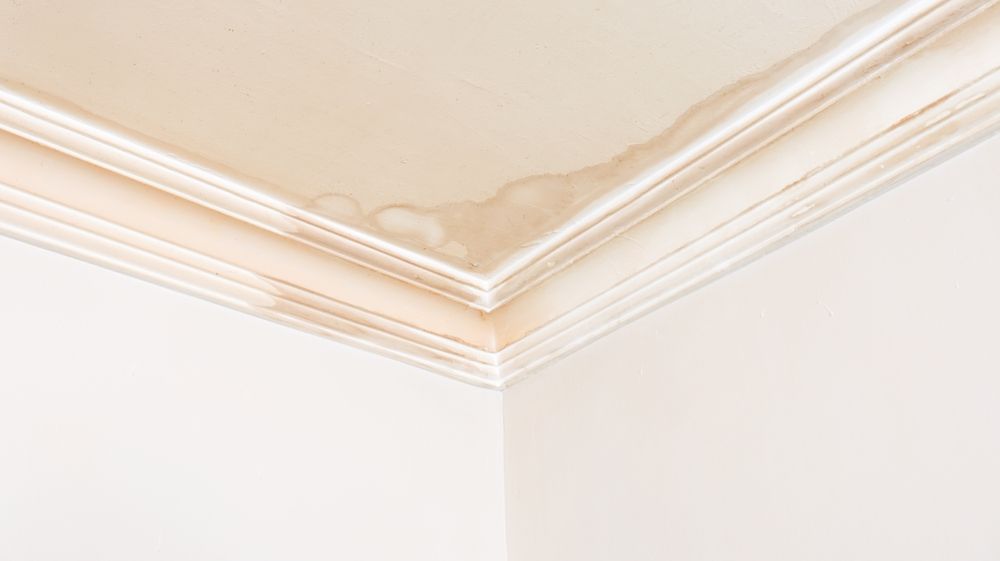
A roof failure during coastal storms often introduces water into attic spaces where it migrates laterally across ceiling joists before appearing as a stain two rooms away from the actual breach point. Lion Public Adjusting manages water, mold, and weather damage claims for properties throughout Oceanside, where Pacific weather systems and aging roofing materials create persistent leak patterns that insurers frequently attribute to maintenance neglect rather than covered storm events. Moisture mapping traces the full path of water intrusion, documenting every affected material from initial entry through final saturation point.
The process includes infrared thermal imaging that detects trapped moisture inside wall cavities and beneath flooring, combined with drone roof inspections that capture shingle displacement, flashing separation, and membrane tears without requiring manual access to steep or unstable roof planes. This documentation establishes the timeline and cause of water entry, separating sudden storm damage from gradual wear that policies typically exclude.
Arrange an immediate inspection after water or storm damage to prevent mold colonization and preserve evidence of the covered event.
How Moisture Detection Prevents Claim Reduction
Moisture meters and thermal cameras identify water-saturated insulation, drywall, and framing that shows no visible staining but fails structural integrity tests and provides the damp conditions mold requires to colonize within 48 to 72 hours. Documenting these hidden areas before demolition begins creates a verifiable record that insurers cannot later dispute as speculative or excessive.
Once moisture mapping is complete, you'll see exactly which wall sections require removal, what insulation needs replacement, and whether subfloor materials have absorbed enough water to warrant replacement rather than drying. Coastal humidity in Oceanside slows evaporation rates, meaning materials that might dry successfully inland often retain moisture long enough to develop mold growth or structural weakening.
The claim documentation also identifies whether the loss involves covered storm damage or excluded maintenance issues, using timestamped weather data and roof condition analysis to establish causation. This distinction determines whether your policy covers full replacement or limits reimbursement to partial repairs.
What damage does moisture mapping reveal that isn't visible during a standard inspection?
Moisture mapping detects water trapped inside wall cavities, beneath flooring adhesive layers, and within insulation batts where surface dryness masks ongoing saturation that will eventually cause mold growth or wood rot if left unaddressed.
How do drone roof inspections improve claim accuracy?
Drone imaging captures high-resolution photos of damaged shingles, torn flashing, and membrane punctures from angles that ground-based photography cannot access, providing insurers with definitive proof of storm impact without requiring manual roof access that could worsen existing damage.
When does water damage escalate into a mold claim?
Water damage becomes a mold claim when moisture remains in porous materials for more than 72 hours, allowing fungal colonization that requires separate remediation protocols, air quality testing, and containment barriers that exceed standard water extraction and drying costs.
Why do insurers sometimes deny water claims in Oceanside properties?
Insurers deny water claims when they classify the loss as gradual seepage from deferred roof maintenance rather than sudden storm intrusion, a determination that hinges on documented roof condition before the weather event and correlation between leak location and storm wind direction.
What documentation should I preserve immediately after discovering water intrusion?
Preserve photos of standing water, saturated materials, and active leak points before any cleanup begins, along with weather reports from the date of suspected intrusion and any prior roof inspection records that establish pre-storm condition for comparison.
Lion Public Adjusting uses moisture detection tools and weather correlation analysis to document the full scope of water intrusion and establish covered causation. Schedule a moisture assessment within 24 hours of discovery to capture conditions before evaporation or mold growth alters the evidence.